Crafting Warmth: The Art and Utility of the Cocoa Cup Treat Box SVG
The holiday season is defined by moments of connection, often centered around shared treats and thoughtful gestures. In an era where mass-produced gifts dominate retail shelves, there is a growing appreciation for items that carry a personal touch. This is where digital crafting intersects with traditional sentimentality. The Cocoa Cup Treat Box SVG represents more than just a cut file; it is a blueprint for creating tangible warmth. By transforming flat sheets of cardstock into three-dimensional vessels reminiscent of steaming mugs of hot chocolate, crafters can elevate simple confections into memorable experiences.
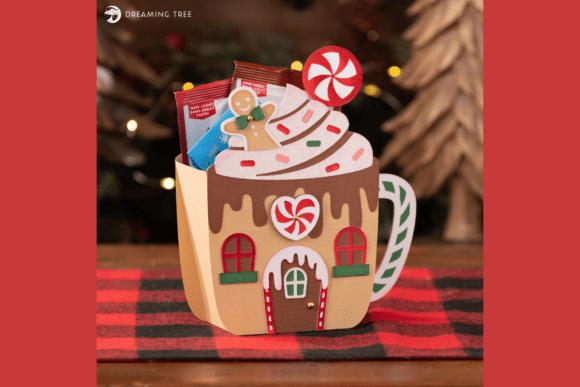
This design captures the essence of winter comfort. It features intricate layers that mimic whipped cream, peppermint sticks, and the rich tones of cocoa, all contained within a sturdy box structure. For educators, small business owners, and hobbyists alike, understanding how to leverage this specific design can enhance packaging strategies, classroom activities, and personal gifting traditions. The following exploration delves into the practical applications, material considerations, and assembly nuances that make this project a standout choice for festive creativity.
Design Aesthetics and Structural Integrity
At first glance, the appeal of the Cocoa Cup Treat Box lies in its visual charm. However, its true value is found in the engineering behind the SVG file. A well-designed 3D paper craft must balance aesthetic detail with structural stability. This particular design achieves that balance through thoughtful layering. The base resembles a classic mug, complete with a handle, while the lid or top section incorporates decorative elements like swirls of "whipped cream" and candy accents.
The dimensions are carefully calibrated for utility. With an overall size of approximately 6.25 inches in height, 6 inches in width, and 2.5 inches in depth, the box is substantial enough to hold a variety of small items yet compact enough to remain elegant. The internal box dimensions, measuring 4.25 inches high by 4.75 inches wide, provide ample space for homemade cookies, chocolate truffles, gift cards, or small novelty items. This sizing ensures that the recipient receives not just a decoration, but a functional container that extends the life of the gift beyond the initial unwrapping.
The use of multiple layers adds depth and realism. Unlike flat printed boxes, this design relies on the physical stacking of paper to create shadows and highlights. This technique, known as paper layering, gives the final product a handcrafted, artisanal feel that resonates with recipients who value effort and attention to detail. The intricate cuts require precision, which is why the file is optimized for SVG-ready cutting machines, ensuring clean edges and accurate alignment.
Material Selection for Visual Impact
The success of any paper craft project hinges on material choice. For the Cocoa Cup Treat Box, color psychology plays a significant role. The design calls for specific hues that evoke the sensory experience of drinking hot cocoa. Using the recommended supply list as a guide, crafters can achieve a cohesive and inviting look.
- Desert Sand Cardstock: Two sheets of 12x12 Desert Sand serve as the primary structural component. This neutral, warm tone mimics the ceramic of a mug or the frothy texture of milk, providing a sturdy base that contrasts well with darker accents.
- Forest Green Cardstock: A single sheet of 8.5x11 Forest Green introduces a festive holiday element. This color is often used for decorative bands, bows, or background accents that signify the Christmas season without overwhelming the primary theme.
- Mocha Cardstock: One sheet of 8.5x11 Mocha is essential for creating the illusion of liquid cocoa. Used for inner layers or decorative spills, this deep brown anchors the design and provides visual weight.
- Parfait Cardstock: A scrap of Parfait color adds a pop of vibrancy, often used for small details like candy pieces or ribbon effects, breaking up the earth tones with a playful accent.
- White Pearlescent Cardstock: Perhaps the most critical aesthetic element, one sheet of 12x12 White Pearlescent cardstock is used for the whipped cream and snow-like accents. The pearlescent finish catches the light, adding a shimmer that mimics the gloss of marshmallows or fresh snow, enhancing the cozy atmosphere.
While these specific colors are recommended, the versatility of the SVG format allows for customization. Crafters might choose red and white for a peppermint theme, or blue and silver for a winter wonderland variation. However, sticking to the suggested palette ensures the intended "cozy" vibe is preserved. It is also advisable to use cardstock with a weight of at least 65-80 lbs to ensure the box holds its shape under the weight of its contents.
Workflow and Assembly Best Practices
Transitioning from a digital file to a physical object requires a methodical approach. The Cocoa Cup Treat Box SVG is designed with compatibility in mind, working seamlessly with major cutting machines such as Cricut, Silhouette, and Brother ScanNCut. The inclusion of a PDF legend is a crucial resource, helping users identify each piece and assign the correct paper color before cutting begins. This step prevents confusion during assembly, especially given the number of layered components.
Preparation is key. Before loading the mat, ensure that the design is sized correctly within the software. While the original dimensions are optimized for a 12x12 cutting mat, resizing is possible. However, users should note that significant scaling may affect the fit of interlocking tabs and slots. It is generally recommended to keep the resize within a 10-15% range to maintain structural integrity. Once the design is set, mirror any adhesive-backed materials if necessary, though standard cardstock typically does not require this.
During the cutting process, using a fine-point blade ensures clean cuts through the intricate details of the whipped cream and peppermint accents. After cutting, the weeding process—removing excess paper—requires patience. Small pieces, such as the centers of letters or tiny decorative dots, should be removed carefully to avoid tearing the main structure.
Assembly is where the magic happens. The step-by-step video tutorial provided with the design serves as an invaluable guide. It demonstrates the order of layering, which is critical for achieving the 3D effect. Generally, the process involves constructing the base box first, then attaching the side panels, and finally adding the decorative top layers. Using a high-quality liquid glue or double-sided tape ensures strong bonds. For the curved elements of the mug handle and whipped cream, scoring tools can help create smooth bends without cracking the paper.
Practical Applications Across Different Contexts
The versatility of the Cocoa Cup Treat Box extends beyond personal holiday gifting. Its professional finish and charming design make it suitable for various commercial and educational uses.
For small business owners, particularly those in the bakery or confectionery sector, these boxes offer a unique packaging solution. Instead of generic boxes, artisans can package their gourmet hot chocolate bombs, fudge samples, or holiday cookies in containers that reflect the quality of their product. The handmade appearance justifies a premium price point and enhances brand perception as thoughtful and artisanal.
Educators can utilize this project in classroom settings to teach geometry, spatial reasoning, and fine motor skills. Assembling a 3D object from 2D shapes helps students understand concepts of volume and surface area. Furthermore, the collaborative nature of the project encourages teamwork and patience. It can be part of a larger lesson on cultural traditions surrounding winter holidays, allowing students to explore how different cultures celebrate with food and gift-giving.
Event planners and corporate coordinators may also find value in this design. For office holiday parties or client appreciation gifts, these boxes can be filled with branded treats or handwritten notes. They serve as memorable favors that guests are likely to keep and display, extending the reach of the event’s branding long after the party ends.
Enhancing the User Experience with Digital Tools
The integration of digital tools in traditional crafting has lowered the barrier to entry for complex projects. The Cocoa Cup Treat Box SVG exemplifies this synergy. By providing a digital file that handles the complex geometry, creators can focus on the creative aspects of color selection and personalization. The compatibility with standard software means that users do not need specialized training to begin. The PDF legend acts as a bridge between the digital interface and the physical workspace, reducing cognitive load during the crafting process.
Moreover, the ability to resize the project offers flexibility. Whether a crafter needs a miniature version for ornament trees or a larger version for gift baskets, the scalable vector graphics ensure that the lines remain crisp at any size. This adaptability makes the design a long-term asset in any digital library, usable year after year with slight modifications to suit changing trends or preferences.
In conclusion, the Cocoa Cup Treat Box SVG is a testament to the power of combining digital precision with handmade warmth. It offers a structured yet flexible framework for creating meaningful holiday artifacts. By understanding the design principles, selecting appropriate materials, and following best practices for assembly, users can produce high-quality results that resonate with recipients on an emotional level. Whether for personal enjoyment, educational purposes, or commercial application, this project provides a delightful way to share the spirit of the season.